
Skip to content

Scale · Managed services

L1 to L3 support, so engineers get the roadmap back.

An L1 to L3 IT service desk, with cloud cost and performance reporting, for Indian enterprises whose engineers spend their day on tickets. NetScale takes user support from first contact to engineering escalation, runs joiner, mover and leaver access, and tracks devices, licences and warranties. Support windows are stated in IST and agreed in writing.

Last updated
A ticket escalated from L1 to L2 to L3Three lanes: L1 for first contact and known fixes, L2 for deeper troubleshooting, and L3 for engineering and vendor escalation. A ticket with an engineer named moves from L1 to L2 to L3, and each level is marked as it arrives.L1L1First contact and known fixesL2L2Deeper troubleshootingL3L3Engineering and vendor escalationEngineer namedEngineer namedEngineer named
Support levels are set by how deep the problem goes, from first contact to vendor escalation.

What it is

Cloud Ops and Service Desk (L1 to L3)

A service desk is the single point where users report problems and ask for help.

L1 takes first contact and known fixes, L2 deeper troubleshooting, and L3 engineering work and escalation into the vendor. Here the desk also runs access management and asset tracking. Joiners, movers and leavers are handled as tickets, and every device, licence and warranty sits on one register.

Each month you get one written report: tickets, access changes, assets, and cloud cost and performance.

Cloud cost engineering, tuning and monitoring sit under Managed cloud and cost optimisation.

Single sign-on, multi-factor login and privileged access controls sit under Identity and access management (IAM).

What it covers

  • Cloud cost & performance
  • L1 to L3 user support
  • Access management
  • Asset tracking
Cloud ops and service desk (L1 to L3)

Sound familiar?

  • 01

    Engineers were hired to deliver the roadmap. Tickets take their day. Which roadmap items slipped this quarter?

    Our answer: Cloud ops and service desk (L1 to L3)

  • 02

    People leave, and their accounts stay open. Who checks they are closed?

    Our answer: Access management

  • 03

    Laptops are issued, reissued and returned. Can you name who holds each one?

    Our answer: Asset tracking

  • 04

    Users raise the same ticket every week. Who fixes the cause?

    Our answer: L1 to L3 user support

Cloud ops and service desk (L1 to L3)

What we do.

Cloud cost and performance management with L1 to L3 user support, access management and asset tracking.

  1. 01

    Cloud cost and performance

    Cloud spend and workload performance reported every month alongside the tickets, with tuning and cost engineering run under managed cloud.

  2. 02

    L1 to L3 user support

    Incidents, service requests and changes handled from first contact to engineering and vendor escalation, with response tiered by business impact and agreed in writing.

  3. 03

    Access management

    Joiners, movers and leavers handled as tickets, with access limited to what each role needs and reviewed on a schedule agreed in writing.

  4. 04

    Asset tracking

    Devices, licences and warranties kept on one register, showing who holds each device and when its cover ends, updated as tickets close.

Cloud ops and service desk (L1 to L3)

How an engagement runs.

Each phase adds a layer to the same estate.

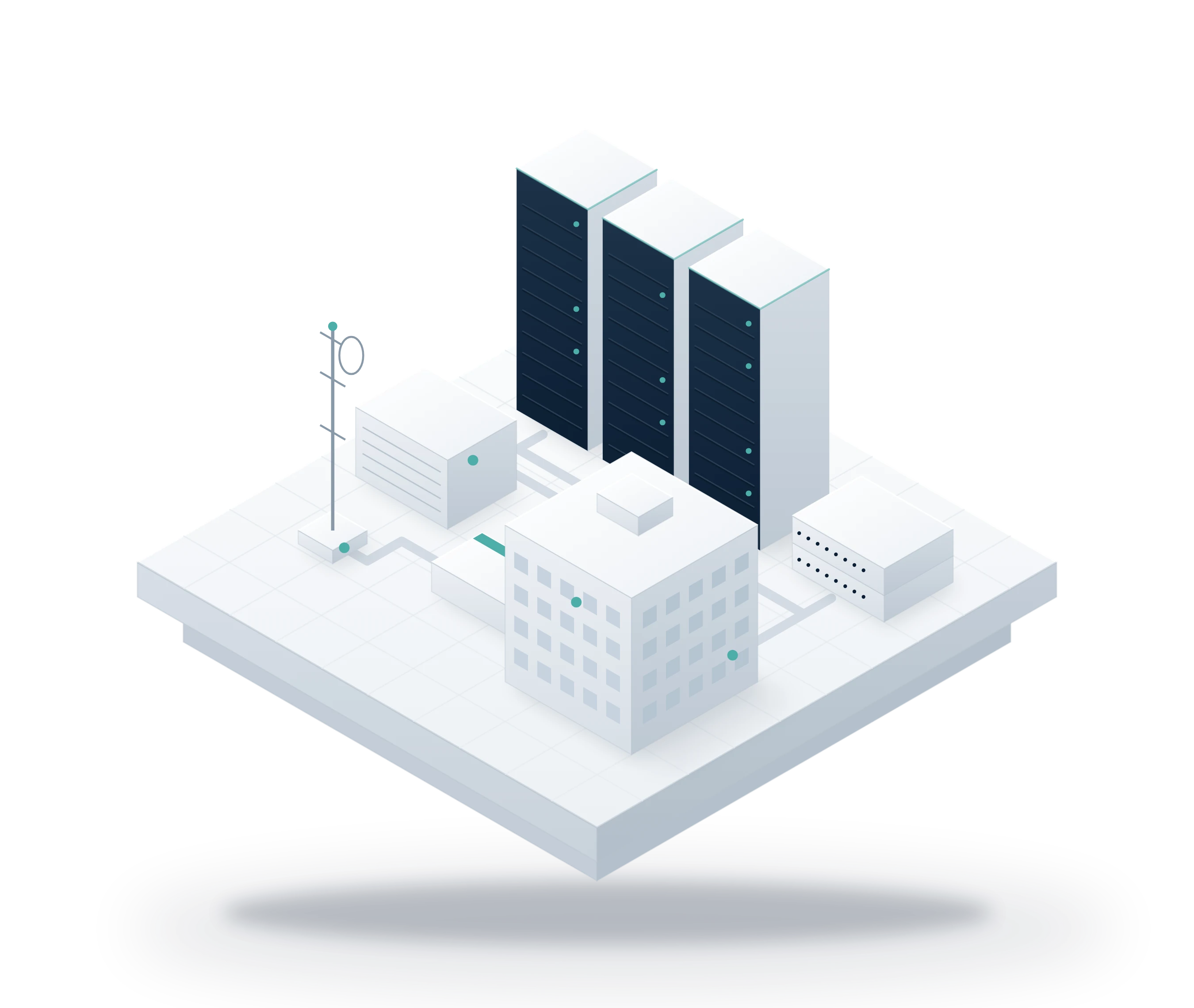
An IT estate on one platform, as the home film draws it: racks, network, storage, an office and a mast. Assess marks: how tickets flow; the asset register. Deliver adds: service desk; access management. Operate adds: reported monthly; access reviewed.
Estate: what you run todaySelect a phase to isolate it

You can stop at any phase boundary. The assessment is free, and each phase is priced in writing before it starts.How we engage

Cloud ops and service desk (L1 to L3)

India specifics and cost.

India specifics

  • Support windows

    Stated in IST, with a response time for each priority, agreed in writing before we start.

  • DPDP

    From 13 May 2027, Rule 6(1)(b) of the DPDP Rules asks for control of access to the computer resources that process personal data. Recorded leaver tickets and access reviews are part of that evidence. Legal interpretation stays with your counsel.

    Source: Digital Personal Data Protection Rules, 2025 (external site)

What drives the cost

  1. 01

    Users and devices supported, and the sites they work from.

  2. 02

    Support window and response times by priority, agreed in writing.

  3. 03

    Support levels in scope: L1 only, or L1 to L3 with vendor escalation.

  4. 04

    On-site engineers, or remote support only.

Cloud ops and service desk (L1 to L3)

Work we can show you.

The most relevant engagement, with its numbers. Client names and the full write-up are shared in conversation.

Software and IT consulting · Bengaluru

Workplace as a service

How a global brand’s new technology company in Bengaluru got a complete, secure office IT setup and a managed service from day one, with delivery scheduled at three months from order.

36months
Managed service on one monthly fee
3months
Full environment, scheduled from order
30min
Response for critical incidents


The technology we run for this

  • Microsoft AzureCloud platform and identity
  • KloudMateObservability for applications, Kubernetes and cloud
  • HPServers, storage and end-user devices
ISO/IEC 27001:2022 and ISO/IEC 27701:2025

Our own information security and privacy management systems, run under both standards.

Certifications and technology

What do L1, L2 and L3 support mean?

They are levels of support, set by how deep the problem goes. L1 takes first contact and known fixes, such as password resets. L2 takes deeper troubleshooting that needs more time or access. L3 takes engineering work and escalation into the vendor. Which levels we run, and in which hours, is agreed in writing.

Can your service desk work alongside our own IT team?

Yes. The split is written down before we start: which levels we take, which systems, and how tickets pass between your team and ours. You might keep L3 or one application in-house and hand us the rest. Every ticket stays visible to your team, and your engineers get time back for the roadmap.

How are service desk tickets prioritised?

By business impact. A fault that stops critical work comes first; a request with no business impact waits its turn. Each priority has a response time written into the contract, and the support window is stated in IST. The levels are agreed with you, so they match how your business works.

What does asset tracking cover?

Every device, licence and warranty, on one register: who holds each device, what it runs, and when its warranty or licence ends. The register is updated as tickets close, so joiners, movers and leavers change it as they happen. It is yours, and handed over with the rest of the documentation.

What happens to a leaver’s access?

It is removed on a leaver ticket, system by system, and each removal is recorded. HR or the line manager raises the ticket; the desk closes the accounts, recovers the device and updates the asset register. Access reviews on a schedule agreed in writing catch anything a ticket missed.

Book a managed IT assessment.

It costs nothing and commits you to nothing. You get a written list of where your IT environment is exposed, and your team can act on it with or without us.

What we put in writing

  1. The written findings are yours whether we ever work together or not.
  2. Each phase is fixed-scope and signed off separately.
  3. You can stop at any phase boundary.
  4. Runbooks, configurations and credentials are yours.